
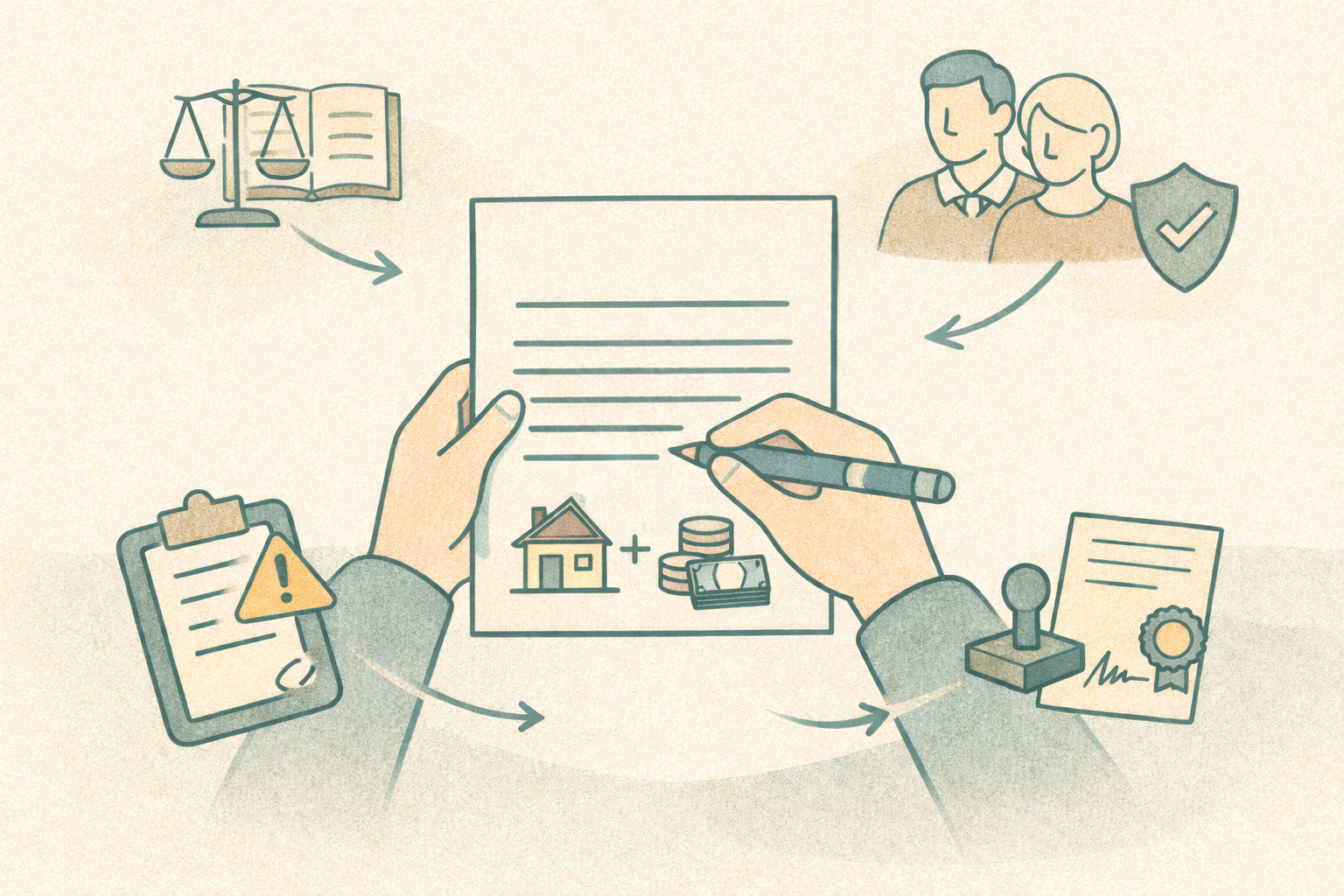
The question of how to write a will sooner or later arises for anyone who wants to responsibly dispose of their property and spare their loved ones unnecessary difficulties in the future. A properly drafted document allows you to clearly define who receives which share of the property, who will oversee the execution of the will, and what your final wishes are. In this material, we will consider how to draft a will step by step: what must be included, what documents are required to draft a will, how to avoid inaccuracies in wording, and what to pay attention to when signing. You will also learn what typical mistakes are made during preparation and how to prevent them. This guide will help you understand the procedure for drafting a will, comprehend the main requirements for its content, and confidently prepare a document that is clear, understandable, and truly reflects your will.

What a Will Is and Why It Should Be Drafted in Advance
What is a will? It is a written document in which a person determines how their property should be distributed after death and appoints individuals responsible for carrying out their final wishes. In other words, it is a way to independently establish the procedure for transferring assets and to formalize important decisions about the future.
Drafting a will in advance means taking control of inheritance matters during your lifetime. Clearly identified heirs, specific shares of property, and a transparent procedure significantly reduce the risk of conflicts among relatives. Preparing the document in advance also simplifies the execution of the will, since all key decisions are already recorded and do not require additional agreements.
In addition to the distribution of assets, a will may include personal wishes — in particular regarding burial or cremation, as well as the method of preserving the ashes. Clearly formulated instructions help loved ones act in accordance with your will and reduce emotional strain during a difficult period.
The absence of a will means that the distribution of property will take place according to general inheritance rules, which may not correspond to your intentions. In such a situation, the family has to spend more time resolving formalities and sometimes settle disputed issues through additional legal means.
That is why drafting a will in advance is not a formality but a responsible step that ensures clarity, predictability, and respect for your final wishes.
What Must Be Included in a Will
To understand how to write a will correctly, it is important not only to determine the heirs but also to follow a clear document structure. The procedure for drafting a will предусматриє a logical sequence of sections recording the identity of the testator, the list of property, the circle of heirs, and the mechanism for carrying out their will. The structured nature of the document ensures legal clarity and minimizes the risk of dual interpretation.
Regardless of whether it concerns a complex property situation or a will covering all property, the document must contain basic components. They help avoid uncertainty and facilitate the execution of the will in the future.
Personal Details of the Testator
The first mandatory element is the full and accurate personal details of the person making the will. Usually, the full name, date of birth, place of residence, and other identifying information are indicated. This is necessary to clearly establish identity and confirm that the document truly belongs to you.
Any inaccuracies, errors, or incomplete information may complicate the execution of the will. If the data raise doubts, this may lead to additional procedures to confirm the authenticity of the document. That is why personal details must be checked particularly carefully.
In addition, the text usually states that this document is the final expression of will and that all previous versions of the will lose their validity. This helps avoid confusion if other documents were drafted earlier.
List of Property
The next important section is the list of property. If you plan to make a will covering all property, this must be directly stated in the text. Such wording means that all assets belonging to you at the time of death are to be transferred to the designated heirs.
In case of detailed distribution, it is advisable to describe the objects as specifically as possible: real estate, land plots, bank accounts, vehicles, jewelry, securities, or other assets. Clarity of description reduces the risk of disputes and helps avoid situations where part of the property remains unaddressed.
It is also worth considering whether you intend to transfer specific items to particular individuals. For example, family heirlooms or personal belongings may have not only material but also emotional value. A specific list and precise wording form the foundation of a transparent procedure for drafting a will.
Heirs
The will must clearly determine who receives the property. It is necessary to provide full details of the heirs to avoid ambiguity. If the property is distributed among several individuals, it is important to clearly indicate shares or specific objects transferred to each.
The wording must be as specific as possible. General phrases may lead to different interpretations and complicate the execution of the will. If the will covers all property with distribution in specified shares, this must be explicitly recorded.
In some cases, it is advisable to provide for an alternative heir in case the primary person is unable to accept the inheritance. Such an approach makes the document more thoughtful and resilient to unforeseen circumstances.
Executor of the Will
The executor of the will is the person responsible for implementing your decisions after death. They organize the process of transferring property, monitor compliance with the document’s provisions, and interact with heirs. In practice, the executor ensures the execution of the will.
When choosing this person, it is important to consider their responsibility, ability to act in an organized manner, and neutrality. Preferably, this should be someone you trust and who can handle administrative matters.
Clear designation of the executor helps avoid delays and misunderstandings in the future. If the procedure for drafting a will involves complex distribution of assets, the executor’s role becomes even more important, as the orderliness of the process and adherence to your final wishes depend on them.
How to Properly Formulate Your Final Wishes
When a person considers how to write a will, they often focus on the list of property and heirs. However, it is equally important to properly formulate final wishes. The clarity and logic of the text determine how smoothly the execution of the will will proceed and whether disputes among heirs will arise.
To properly draft a will, it is necessary to avoid general and vague wording. The document must be specific: if it is a will covering all property, this must be clearly stated; if the property is distributed among several individuals, shares or specific objects should be clearly defined. General phrases may create legal uncertainty and complicate execution.
The procedure for drafting a will requires a consistent structure: from confirming the identity of the testator to clearly defining heirs and the conditions for transferring assets. The text should be logical, internally consistent, and free of contradictions.
To avoid mistakes, it is advisable to follow these principles:
- use full names and precise wording without abbreviations;
- specifically indicate property or shares rather than using general phrases;
- explicitly state if it is a will covering all property;
- avoid emotional or evaluative statements;
- ensure different clauses do not contradict each other;
- indicate the date and place of drafting;
- reread the text several times before signing.
It is also important to consider organizational aspects: verify that all information is entered correctly and clarify what documents are required to draft a will if you are using a template or preparing the text independently.
A properly formulated final will is a document that leaves no room for dual interpretation. Precision and structure ensure correct execution and implementation of your decisions in the future.

Is It Possible to Write a Will Independently
Many people who consider how to write a will ask themselves whether it is mandatory to consult a professional or whether the document can be prepared independently. The answer depends on the complexity of your property situation, the number of heirs, and the volume of assets.
The possibility of independently drafting a will depends on the legislation of a particular country; however, the general approach in most jurisdictions is similar: this is possible if the will covers all property transferred to one person or involves clear distribution without complex conditions. However, if there are multiple heirs, various types of property, or additional wishes regarding execution, it is advisable to carefully consider the method of preparation.
Independent Drafting
Independent preparation of the document attracts by its simplicity and cost savings. If the property situation is not complex and the document structure is clear, you can prepare the text yourself, following a clear logic and wording rules.
However, even minor inaccuracies may affect the execution of the will. Errors in names, unclear wording, or internal contradictions may complicate the realization of your will. Therefore, if choosing the independent path, the text must be checked especially carefully to ensure all provisions are formulated unambiguously.
Use of Templates
Another common option is using ready-made document templates. A template helps understand the structure and sequence, especially if you are drafting a will for the first time.
At the same time, a template cannot be copied without changes. It must be adapted to your specific situation: full details must be inserted, heirs clearly defined, and the list of property specified. If planning a will covering all property, this must be directly stated.
Using a template without fully understanding its content may lead to inaccuracies.
Consulting a Professional
In cases where the property structure is complex, there are multiple heirs, or additional conditions are involved, it is advisable to consult a professional. Professional advice helps correctly structure the text, avoid contradictions, and minimize risks.
A specialist will also help organize information, explain what documents are required to draft a will, and verify the logic of wording. This is especially important when significant assets or complex transfer conditions are involved.
Thus, the answer to how to draft a will depends on individual circumstances. The main thing is to choose a method that ensures clarity, correct wording, and smooth execution in the future.
Signing and Certification of a Will
After determining the content of the document and deciding how to draft a will, the next important stage is its signing and proper certification. This step gives the document legal force and confirms that the will expressed in it is conscious and voluntary.
The general principle is that the will must be signed personally by the testator. The date and place of drafting must also be clearly indicated in the text, as this helps establish the document’s relevance and avoid doubts about its validity.
In most cases, signing takes place in the presence of witnesses. Their role is to confirm the voluntary signing of the document. Witnesses do not participate in the distribution of property and do not influence the content — their task is solely to confirm the procedure. Specific requirements regarding the number of witnesses and certification procedures may differ, so current rules should be clarified in advance.
Proper signing is critically important for future execution. If the procedure was violated or the document contains formal inaccuracies, its implementation may become complicated.
Special attention should also be paid to storage. The original will must be kept in a safe place accessible to the responsible person or executor. It is advisable to inform relatives or a trusted person about its location so it can be quickly found if necessary.
Proper execution and storage are the final stages of the procedure for drafting a will, ensuring that your final wishes will be implemented without unnecessary complications.
How to Include Burial or Cremation Wishes in a Will
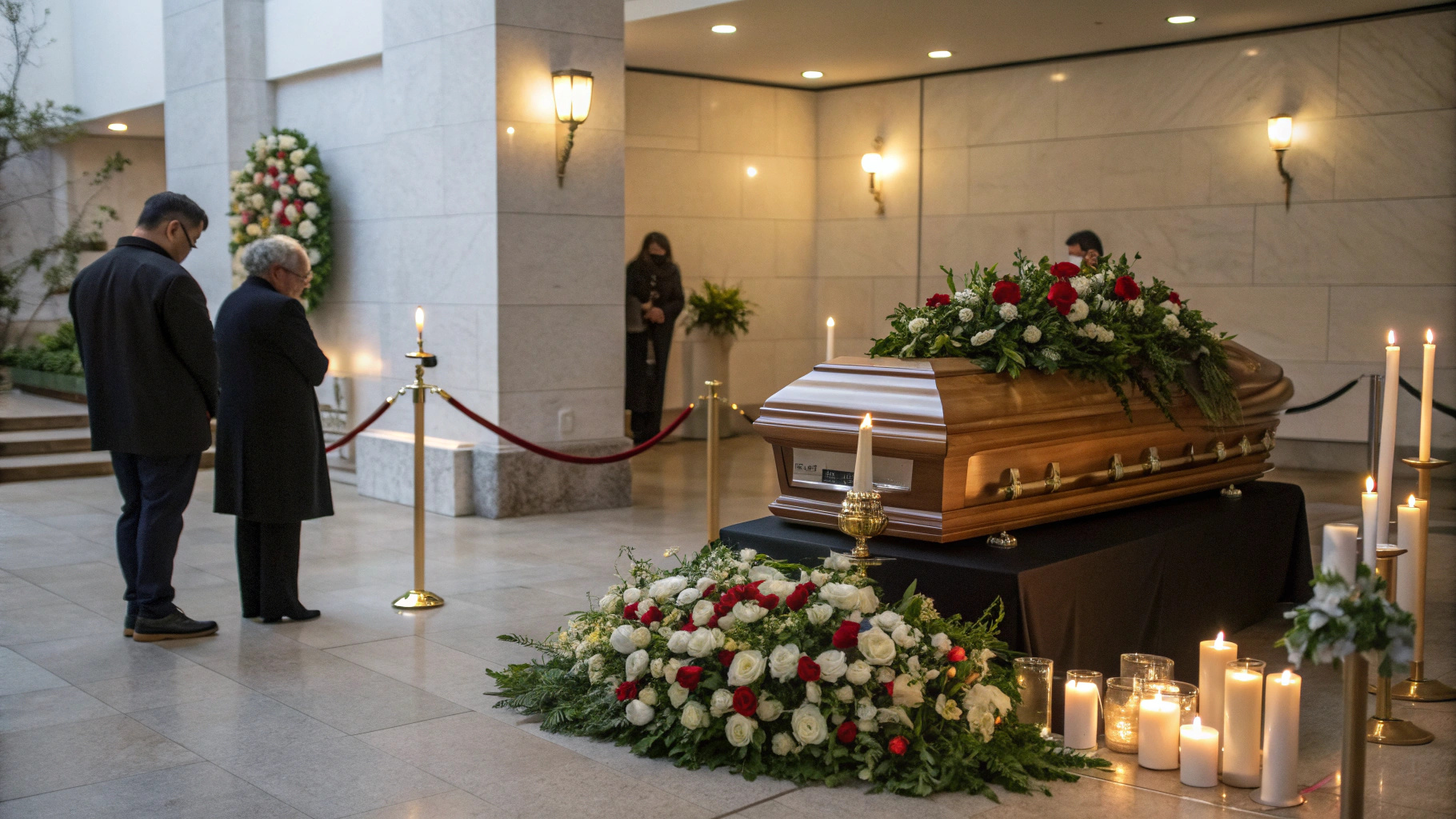
In addition to property distribution, a will may contain personal wishes regarding burial or cremation. When considering how to write a will, people often focus only on material issues, but determining the manner of farewell is also an important part of final wishes.
The document may specify whether you prefer traditional burial or cremation, as well as additional instructions regarding the preservation of ashes. For example, you may indicate that the ashes should remain within the family, be transferred to a specific person, or be used to create a memorial object such as a Stone of Remembrance.
Clearly formulated provisions help avoid doubts and misunderstandings during a difficult period.
If you choose to include such instructions, wording must be specific and unambiguous. It is advisable to directly state your wish and designate a responsible person to oversee its implementation. This is especially important if family members may have differing views regarding the method of burial.
In some cases, burial or cremation wishes may be formalized in a separate document or have a recommendatory character, so it is advisable to clarify in advance the procedure for their consideration. However, even including such provisions in the will helps formalize your position and facilitates execution regarding farewell arrangements.
Clear instructions on preserving memory are not merely a formality but a way to care for loved ones. When decisions are recorded in advance, relatives do not have to decide independently how to act, and execution proceeds according to your will.
Typical Mistakes When Drafting a Will
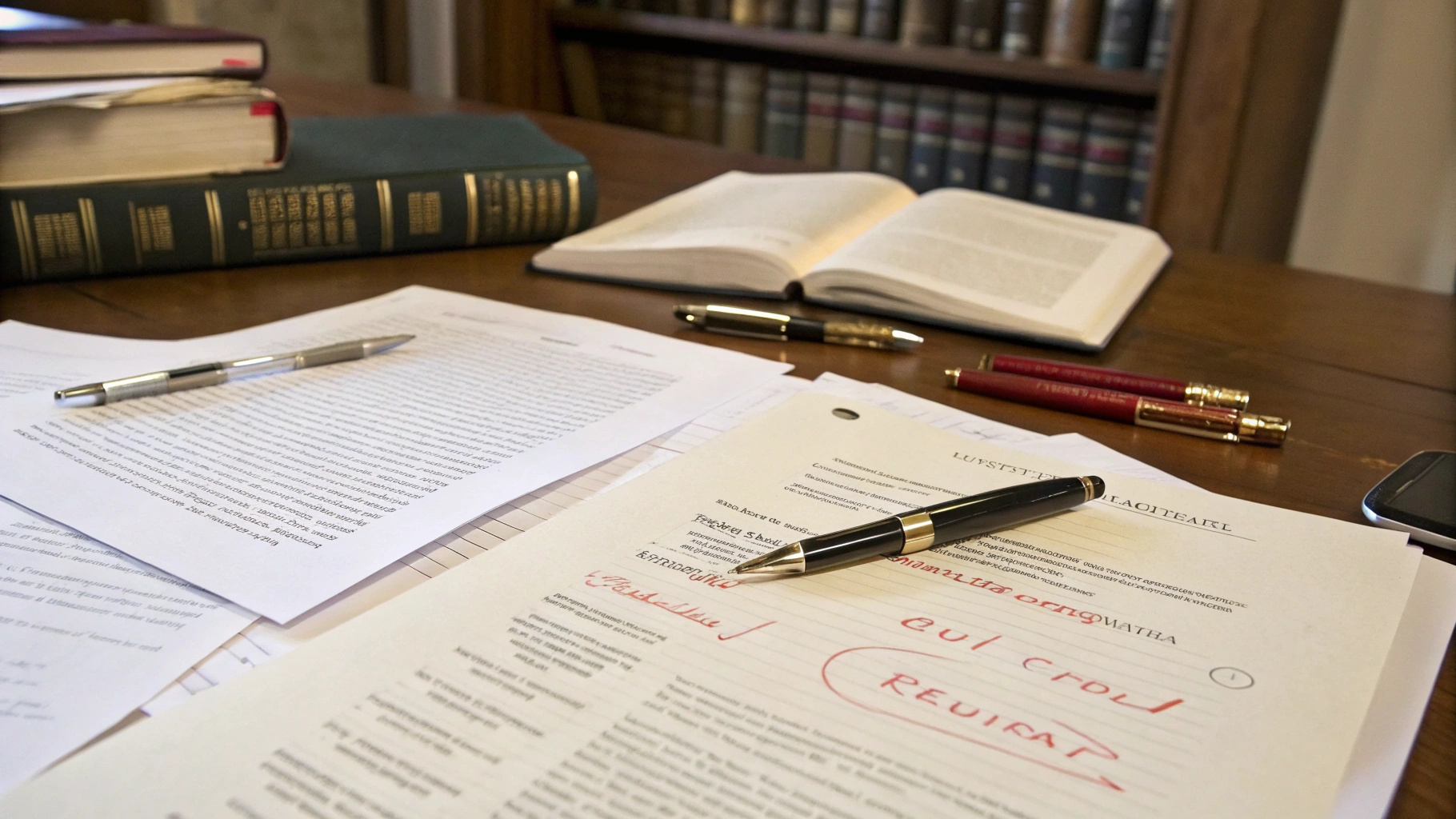
Even when a person understands how to write a will, mistakes are often made in practice that may complicate execution or make certain provisions disputable. To avoid risks, it is worth paying attention to the most common shortcomings:
- Unclear wording. General phrases without specifying property or shares may lead to different interpretations and conflicts among heirs.
- Incomplete list of assets. If a will covering all property is not explicitly stated and part of the assets is not described, uncertainty may arise regarding their distribution.
- Absence or unclear identification of heirs. Errors in names or inaccurate details may complicate property transfer.
- No executor appointed. Without a responsible person, the execution process may be delayed or accompanied by organizational difficulties.
- Internal contradictions in the text. If different clauses contradict each other, legal uncertainty arises.
- Violation of the signing procedure. Improper formalization or absence of witnesses may call the document’s validity into question.
- Ignoring life changes. Marriage, birth of children, changes in property composition, or other circumstances may make a previous version outdated.
- Absence of date and place of drafting. This complicates confirmation of validity.
To avoid these mistakes, the text should be reviewed regularly and its relevance checked. Updating the document when necessary is an important part of a responsible approach to inheritance matters and ensures that your will is implemented without unnecessary difficulties.
When a Will Needs to Be Updated
Drafting a will is an important step, but maintaining its relevance is equally important. Life circumstances change, and a document that was appropriate several years ago may no longer reflect your actual will. Regular review is an integral part of a responsible approach to inheritance matters.
A will should be reviewed or amended in the following cases:
- Marriage or divorce. Changes in marital status directly affect heirs and property distribution.
- Birth or adoption of children. The appearance of new family members requires updating provisions.
- Changes in property composition. Acquisition of real estate, sale of assets, or significant financial changes may affect the content, especially if it is a will covering all property.
- Death or inability of an heir or executor to perform duties. In such a case, another person should be appointed.
- Change of personal decisions. If you revise your views regarding property distribution or memorial preservation, the document should be updated.
- Long period without changes. Even without obvious reasons, it is advisable to periodically review the text to ensure it remains relevant.
Updating a will ensures proper execution in the future and guarantees that the document reflects your current will. Regular review helps maintain clarity and avoid unforeseen consequences.
Conclusion
Understanding how to write a will is not only a legal matter but a manifestation of responsibility and foresight. A clearly structured document with well-thought-out wording allows you to organize inheritance matters, determine the procedure for transferring property, and ensure proper execution.
A timely drafted and regularly updated will reduces the risk of misunderstandings, conflicts, and additional procedures for loved ones. When the procedure for drafting a will is followed and all key provisions are formulated unambiguously, relatives do not have to make difficult decisions independently or guess your intentions.
A responsible approach to this document is a way to care for your loved ones in advance. A clearly defined final will reduces emotional and organizational burdens during a difficult period and guarantees that your decisions will be implemented exactly as you intended.